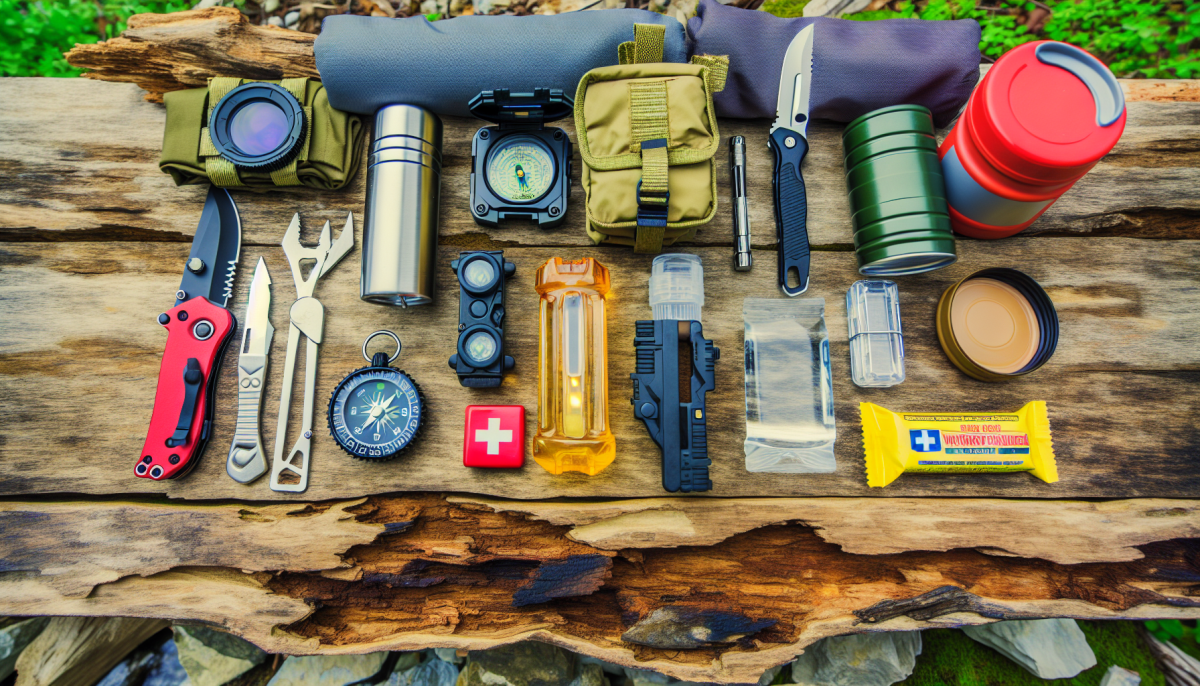
When it comes to survival situations, having the right gear can make all the difference. Whether you find yourself lost in the wilderness or facing an unexpected emergency at home, certain items are essential for ensuring your safety and well-being. Here’s a look at some must-have gear that every survivalist should consider including in their kit.
A quality multi-tool is a key component of any survival gear. With capabilities ranging from cutting to screwing, it serves a variety of functions that can be crucial in different situations. Look for a sturdy model that includes features like pliers, knives, and screwdrivers. Its compact size allows you to carry it easily without weighing you down, making it an ideal addition to your pack.
Another indispensable item is a reliable fire starter. Whether you choose waterproof matches, a lighter, or a fire starter kit, having multiple ways to create fire is essential. Fire is vital for warmth, cooking food, and even signaling for help. Remember, in a survival situation, maintaining body heat can be critical, so ensure you have a method to ignite those flames when needed.
A first-aid kit is also essential gear that should not be overlooked. Accidents can happen anywhere, so being prepared with bandages, antiseptics, and other medical supplies is crucial. Tailor your first-aid kit to suit your needs and experience, considering possible allergies or specific conditions. Regularly check and restock your kit to keep everything fresh and usable.
Choosing the Right Survival Tools
When it comes to preparing for emergencies, selecting the right survival tools can make all the difference. With so many options available, it can be overwhelming to figure out which items are essential and suited to your needs. Start by considering the type of environment you live in and the scenarios you might face. Whether it’s a natural disaster, a camping trip gone wrong, or a long-term survival situation, having the proper tools can help you stay safe and secure.
One of the most important items to include in your survival toolkit is a reliable multi-tool. These handy gadgets combine several functions, allowing you to tackle a variety of tasks without carrying multiple tools. Look for multi-tools that include a knife, screwdriver, can opener, and pliers. They save space in your pack and are invaluable when you're in a pinch.
Another key item to consider is a dependable source of fire. This could be a great lighter, waterproof matches, or even a fire starter kit. Fire is critical for warmth, cooking, and signaling for help. Always have multiple methods for starting a fire, as conditions may affect your primary choice. Being able to make fire can boost your morale and provide a sense of comfort during challenging times.
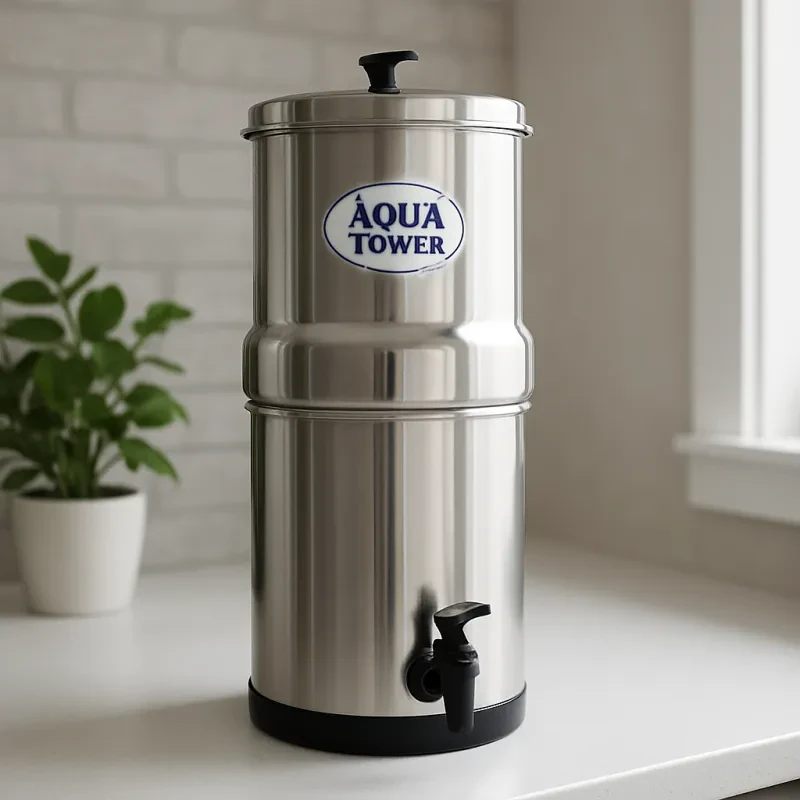
Water is essential for survival, so ensuring you have the means to purify it is crucial. A portable water filter or purification tablet can make unsafe water drinkable. Carry a durable water bottle or hydration bladder to keep yourself hydrated while you're on the move. Remember, staying hydrated is just as important as having food when planning for survival.
Lastly, indispensable items like a first aid kit and emergency blanket should not be overlooked. A first aid kit can assist with injuries, while an emergency blanket can provide warmth and shelter. These components can be lifesaving in critical situations. Make sure to inspect your kit regularly and replenish its supplies to keep it ready for any adventure that comes your way.
Practical Tips for Packing Survival Items
Packing survival items effectively can make a significant difference in an emergency situation. Start by assessing the space you have available in your backpack or emergency kit. Choose a sturdy and lightweight bag that can withstand tough conditions. This will protect your items and make it easier to carry when you need it the most.
When selecting survival items, prioritize multifunctional tools. For instance, a multi-tool can serve many purposes, reducing the number of items you need to pack. A compact first aid kit is essential, but ensure it includes not only bandages but also antiseptics and pain relievers. As you pack, try to arrange items by category, such as food, water, shelter, and tools. This will help you quickly locate what you need in a challenging situation.
Water is vital for survival, so include a reliable water filtration system or purification tablets. You can also pack collapsible water bottles to save space. Make sure to include non-perishable snacks, like energy bars or dried fruits, which provide essential calories without taking up much room. Additionally, consider packing items that can be used in multiple scenarios, like a space blanket for warmth or a tarp for shelter.
Lastly, don’t forget to include a reliable navigation tool, such as a map and compass or a GPS device. These can guide you to safety when technology fails. Regularly check and update your survival kit to ensure everything is functional and supplies aren’t expired. By being organized and thoughtful about your packing, you’ll be much better prepared for any unexpected situations that may arise.
Staying Safe in the Great Outdoors
When heading out into the great outdoors, safety should always be a top priority. Nature can be unpredictable, and even the most prepared adventurer can find themselves in challenging situations. Understanding how to stay safe during your outdoor excursions can make all the difference in ensuring a successful trip.
First and foremost, always let someone know your plans before you leave. Share your itinerary, including your expected return time. This way, if you encounter any issues or delays, someone will know to look for you. Carrying a reliable communication device, like a fully charged cell phone or a satellite communicator, can also provide an added layer of security in case of emergencies.
Next, familiarize yourself with the area you’ll be exploring. Before you set off, study maps and local resources that provide information about trails, wildlife, and weather conditions. The right knowledge can help you avoid potential dangers and enhance your outdoor experience. Always pack a map and a compass, even if you're relying on a GPS device, as technology can fail unexpectedly.
Finally, be prepared for injuries or accidents. A basic first aid kit is essential for treating cuts, scrapes, or insect bites. It's a good idea to learn basic first aid skills, like how to treat a sprain or perform CPR. In addition, pack plenty of water and nutrition-packed snacks, as keeping your energy levels up can help you stay alert and focused on safety.