When it comes to prepping, water is one of the most critical resources you can stash away. The human body is about 60% water, and we can only survive a few days without it. Therefore, identifying essential water sources is key. Let's explore some reliable options to help any prepper build a solid water supply.
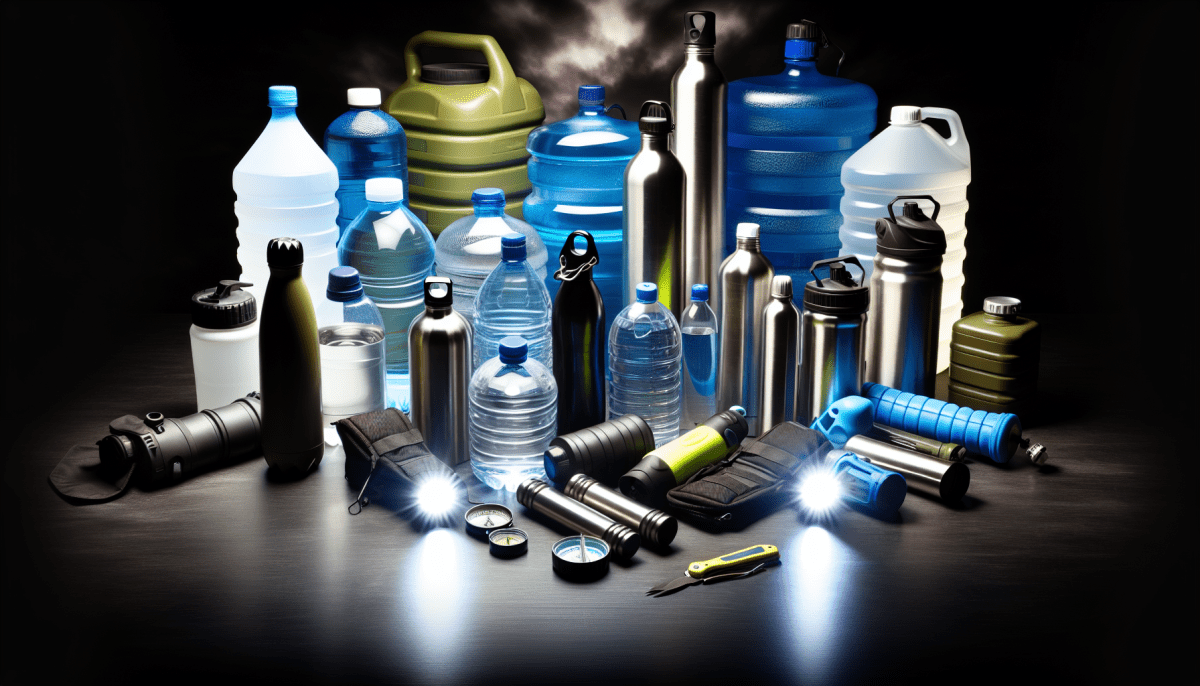
First on the list is stored water. This is the most straightforward method for preppers. By investing in food-grade water storage containers, you can easily set aside several gallons for emergencies. Aim for at least one gallon per person per day for a week or more. Don't forget to regularly rotate your stored water to keep it fresh, and ensure that your containers are clean to prevent contamination.
Another smart water source is rainwater harvesting. Installing barrels or other collection systems makes it easy to gather and store rainwater. This eco-friendly method can provide a constant supply of fresh water for drinking, cooking, and even irrigation. Just be sure to check local laws, as regulations around rainwater collection can vary by area.
Additionally, natural water sources such as lakes, rivers, and streams can serve as crucial resources. It's essential, however, to know how to purify this water before drinking it. Investing in a reliable water filtration system or purification tablets will allow you to treat water from these sources effectively. Always be cautious and test the water quality, as it can be contaminated with harmful pathogens.
Lastly, consider utilizing groundwater through wells. If you have the means, drilling a well can provide access to a steady supply of water that's often free from surface contaminants. Regular testing is essential to ensure the water remains safe for consumption. Overall, combining these methods can help you ensure a sustainable and reliable water source for any prepping situation.
Purification Methods to Trust
When it comes to ensuring your water supply is clean and safe, having reliable purification methods is essential for any prepper. Understanding the various options available can help you make informed choices that will keep you and your loved ones safe during emergencies. Below are some trusted purification methods that you can utilize for your water needs.
One of the simplest and most effective methods of purification is boiling. By bringing water to a rolling boil for at least one minute, you can kill bacteria, viruses, and parasites. At elevations above 6,500 feet, it's recommended to boil for three minutes. Boiling is accessible, requiring only heat, and is effective even in the wild, as long as you have a heat source. Just remember to let the water cool before drinking!
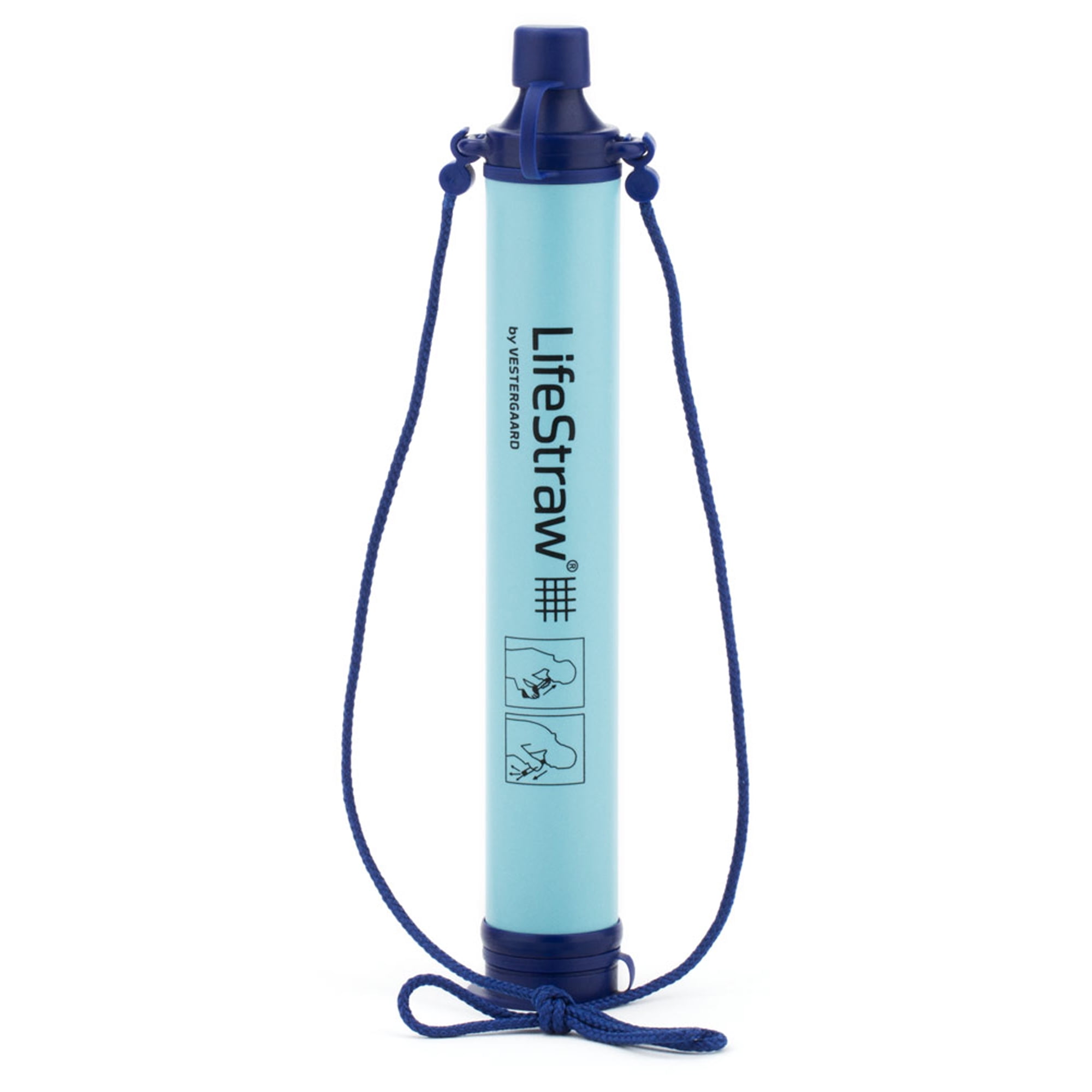
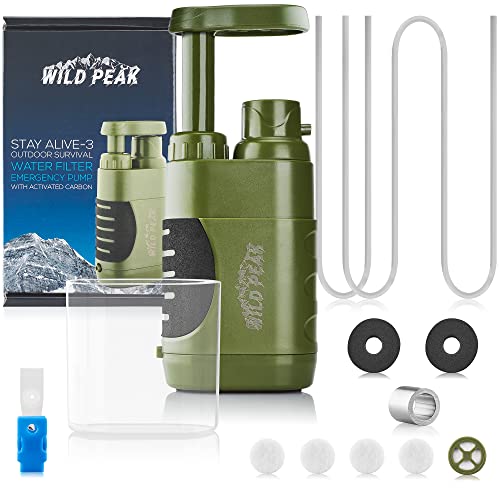
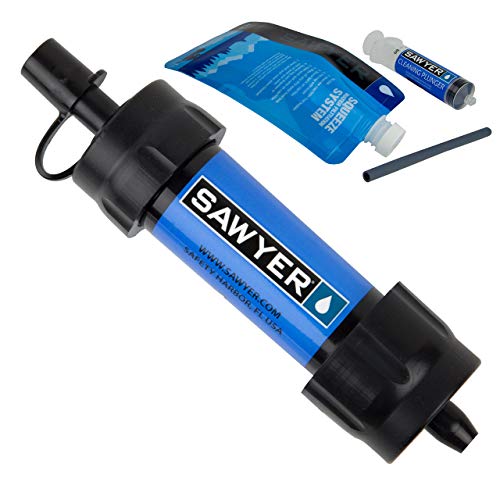
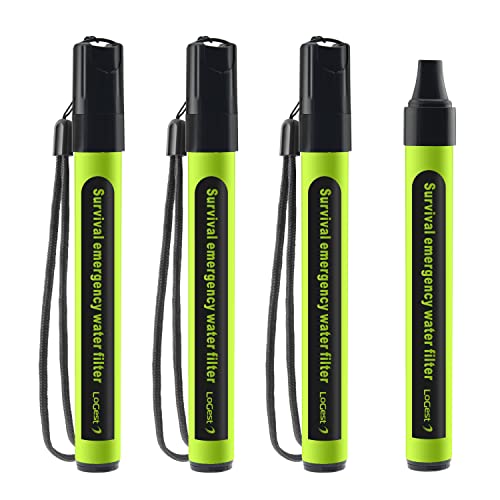
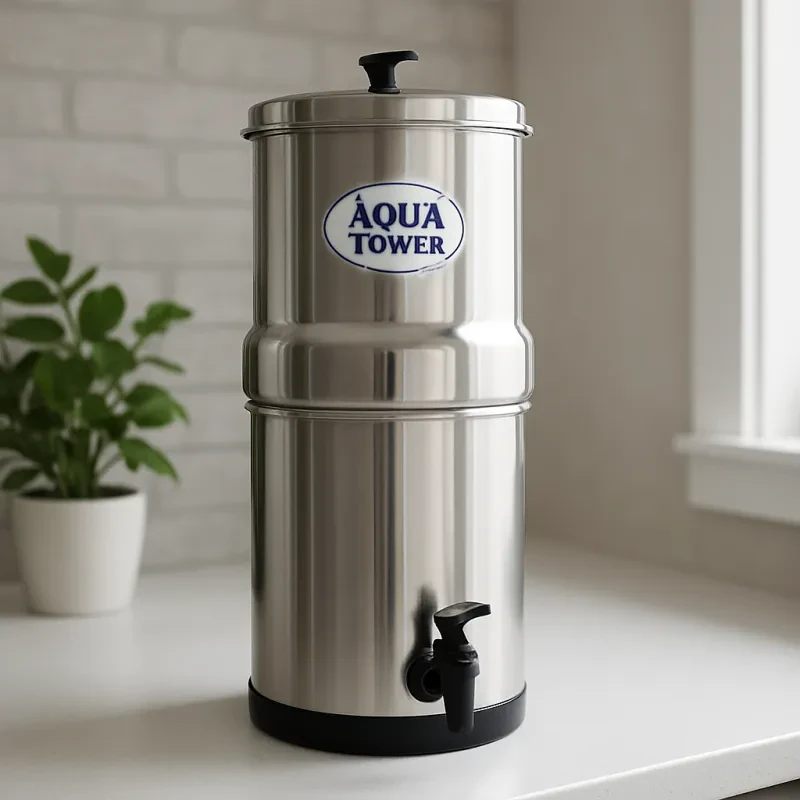
Another reliable option is using water filters. There are many types of filters available, from pump filters to gravity-fed systems. A high-quality filter with a pore size of 0.2 microns can eliminate many harmful microorganisms and sediment. Portable options are great for hiking or camping, while larger systems can be set up for home use. Ensure that the filter you choose is certified for removal of specific contaminants you may be concerned about.
Chemical purification is also a viable option when you’re in a pinch. Water purification tablets containing chlorine dioxide or iodine can effectively disinfect water. Just drop the recommended number of tablets into your water and wait for the required time before drinking. This method is lightweight and easy to pack, making it an excellent choice for your bug-out bag or emergency kit. However, always read the instructions carefully and be cautious if you have allergies to iodine or are pregnant.
Lastly, UV purifiers are gaining popularity for their effectiveness in neutralizing microorganisms without chemicals. These devices use ultraviolet light to kill harmful pathogens in water. While they require batteries or a power source, they are compact and easy to use, making them great for both home preparations and outdoor activities. Just keep in mind that UV light won’t remove any physical contaminants, so it’s best used in combination with other purification methods.
Storage Solutions for Long-Term Needs
When it comes to prepping, having a reliable water storage solution is critical for long-term needs. Whether you live in a humid climate or a dry area, ensuring you have enough water to last through emergencies is essential. There are various containers and methods to store water effectively, ensuring it remains clean and safe for consumption over time.
One of the most popular options for long-term water storage is food-grade plastic barrels. These barrels often come in sizes ranging from 15 to 55 gallons, providing ample capacity for your needs. Make sure to choose containers labeled as “food-grade,” as this ensures they are safe for storing drinking water. Before filling them up, it's important to clean them thoroughly with soap and water, followed by a rinse with a diluted bleach solution to eliminate any contaminants.
Another fantastic option is using mylar bags for smaller-scale storage. Mylar bags can be filled with water, vacuum-sealed, and stored in a cool, dark place. This method is particularly useful for storing small amounts of water that can be easily transported. Because mylar is resistant to punctures and light, it helps preserve the quality of the water for extended periods.
Additionally, don't forget about the importance of regular maintenance. Regardless of the storage method you choose, it's wise to check your water supply every six months. Rotate out older containers and replace them with fresh water. This practice not only helps to keep your water quality high but also ensures that you’re always prepared for any situation that may arise.
Emergency Water Rationing Tips
In an emergency situation, having access to clean water is crucial, but sometimes supplies can run low. Here are some practical tips for emergency water rationing that everyone should consider. By being mindful and strategic, you can stretch your water supply while ensuring you stay hydrated and healthy.
First and foremost, assess your water supply. Determine how much water you have and divide it into rations. A good rule of thumb is to aim for about half a gallon per person per day. This should cover basic hydration needs. Remember, during extreme situations, your body may require less water if you stay calm and limit your physical activity.
Next, prioritize your water usage. Drinking water should come first, followed by cooking and basic sanitation needs. If you're running low, consider using alternative methods for cleaning, such as using baby wipes or dry shampoo for personal hygiene. This can help conserve your drinking water for more critical needs.
If you're in a group, consider establishing a water schedule. This helps ensure that everyone consumes their ration at the same pace and prevents overindulgence. Share tips on hydration techniques, like sipping water occasionally rather than gulping it down all at once, to make your supply last longer.
Finally, stay informed about potential rainwater collection or natural water sources nearby. While it's essential to treat this water before drinking, knowing how to source additional water can extend your supply. With a little creativity and caution, you can manage your resources effectively until help arrives or conditions improve.