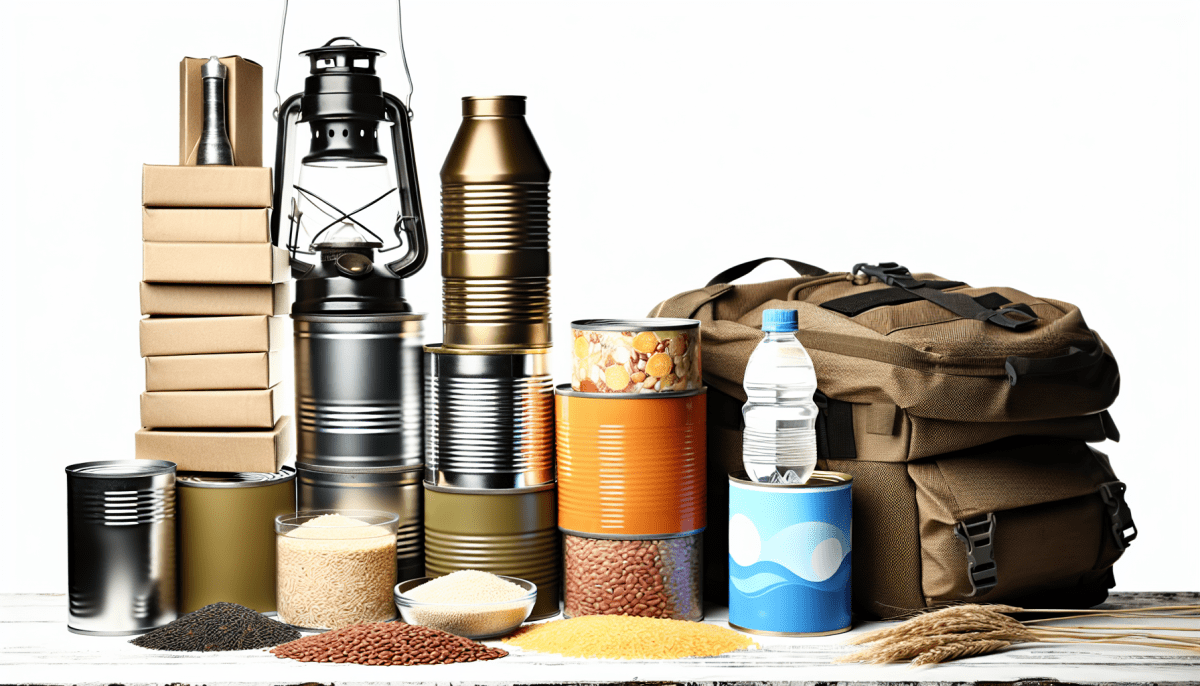
When it comes to prepping, having a stockpile of canned foods is essential. Not only do these foods have a long shelf life, but they're also versatile and easy to prepare. Whether you are facing a natural disaster or simply preparing for uncertain times, these must-have canned foods will ensure you have nutritious options readily available.
First on the list are canned vegetables. From corn and green beans to peas and carrots, these veggies can add vital nutrients to your meals. They can be easily added to soups, stews, or casseroles, making them a great companion for other foods in your pantry. Plus, canned vegetables retain most of their vitamins, making them a healthy choice.
Canned proteins are another critical component of your food stash. This category includes canned beans, tuna, chicken, and even salmon. These foods are not only packed with protein, but they also offer various vitamins and minerals. Canned beans are excellent for vegetarian meals, while canned fish can provide essential omega-3 fatty acids. The convenience of ready-to-eat protein sources helps to diversify your meals without much effort.
Don’t overlook the importance of canned fruits as well! They provide a sweet treat and can help satisfy cravings, which is especially important in stressful times. Look for options canned in juice rather than syrup for a healthier option. Whether added to breakfast or enjoyed as a snack, canned fruits can keep your spirits high during challenging times.
Lastly, consider adding canned soups and broths to your prepper pantry. These can serve as quick meals or be used as bases for more elaborate dishes. From hearty chicken noodle to rich vegetable broth, having a variety on hand allows for flexibility in meal planning. With a few cans of soup and some canned veggies, you can whip up a comforting meal in no time.
Long-Lasting Grains and Staples
One of the top choices for preppers is white rice. With a shelf life of up to 30 years when stored properly, it serves as a fantastic staple that can be paired with countless dishes. Brown rice is a more nutritious option, but it has a shorter shelf life—around 6 months—due to its oil content. For added variety, consider storing some grains like barley or farro; they are hearty, filling, and can be used in soups, salads, or side dishes.
Don’t forget about legumes! Beans, lentils, and chickpeas are protein-packed staples that are easy to prepare. Dried beans can last for decades when kept in airtight containers, making them an excellent addition to your supply. They provide essential amino acids and can be made into soups, stews, or salads. Plus, they have the potential to sprout if you ever find yourself in need of fresh greens.
Finally, consider incorporating some whole grains like oats into your stash. Rolled or steel-cut oats are not only nutritious but also highly versatile. They can be cooked as a hot breakfast or used in baking. Packed with fiber, they help keep you feeling full longer. The key is to ensure that these grains and staples are stored in a cool, dry place, ideally in airtight containers to maximize their longevity.
Nutrient-Rich Freeze-Dried Options
One of the biggest advantages of freeze-dried foods is their convenience. Just add water, and you can rehydrate meals in minutes. This is especially beneficial during emergencies when cooking might not be feasible. From fruits and vegetables to entire meals, freeze-dried options come in a variety of flavors and types, ensuring you won't get bored with your food supply.
Nutrient-rich options like freeze-dried fruits offer a great way to incorporate essential vitamins and minerals into your diet. Strawberries, blueberries, and apples retain their nutritional benefits and can be used in snacks or meals. Additionally, freeze-dried vegetables such as peas, corn, and carrots maintain their fiber and nutrients, making them excellent additions to soups and stews.
Don’t forget about freeze-dried proteins! Options like chicken, beef, and even scrambled eggs pack a powerful punch of energy and nourishment. These proteins are essential to maintain your strength during challenging times. With a well-rounded selection of freeze-dried foods, you can ensure that your food supply is both satisfying and nutrient-dense.
Practical Cooking Supplies for Emergencies
When preparing for emergencies, having the right cooking supplies can make all the difference. It's not just about having food stashed away; you need practical tools that allow you to cook efficiently and safely, no matter the situation. Let's explore some essential cooking supplies every prepper should consider.
First on the list is a reliable camp stove. Whether it's a propane, butane, or wood-burning stove, having a portable cooking option will allow you to prepare meals when conventional methods are unavailable. Look for a compact model that is easy to set up and use, ensuring you can boil water or cook food in any weather conditions.
Don't forget about cookware! A lightweight set of pots and pans made from durable materials is vital for emergency cooking. Cast iron skillets and stainless steel pots are excellent options as they can withstand high heat and last for many years. Make sure to include utensils like spatulas, spoons, and a good knife in your supply; having the right tools simplifies the cooking process significantly.
Lastly, consider investing in a reliable source of light and heat. A combination of flashlights, candles, and portable heaters can create a comfortable cooking environment. Additionally, having a fire starter kit and plenty of matches can help you ignite your camp stove or even a traditional fire pit, allowing you to cook outdoors if needed.