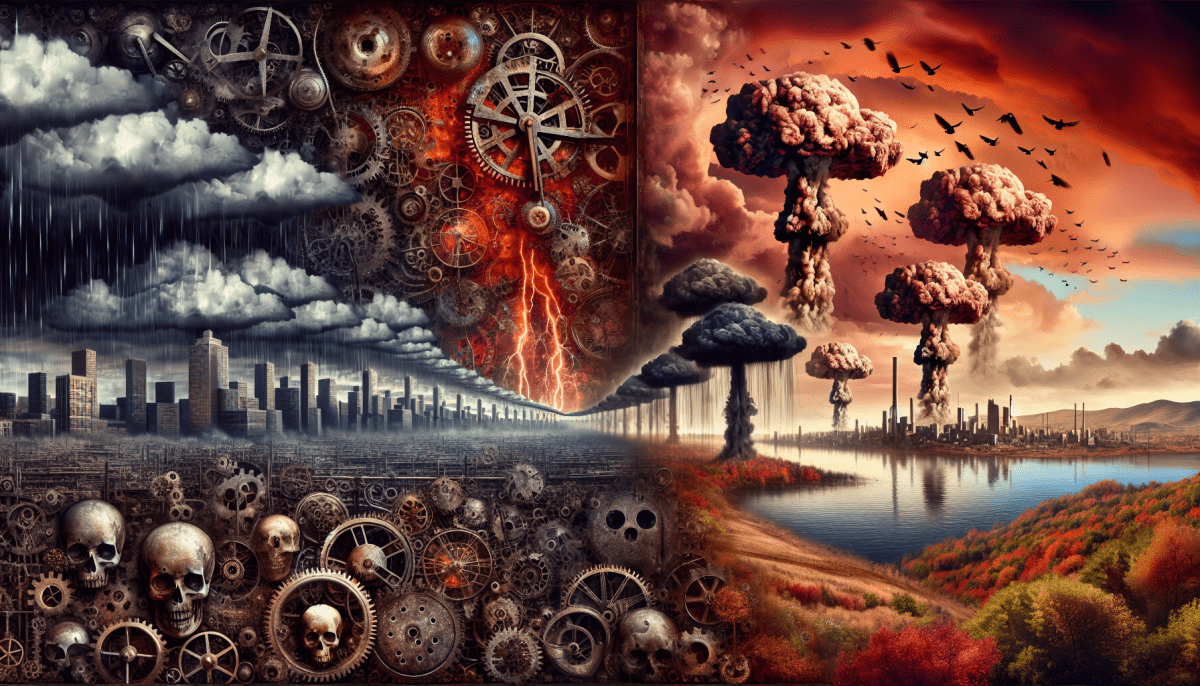
In today's world, geopolitical conflicts and rising tensions have escalated concerns about nuclear war. Nations with nuclear capabilities are frequently at odds, leading to a precarious balance that keeps many on edge. The stakes have never been higher, as we witness ongoing hostilities in various regions, from Eastern Europe to the Korean Peninsula. These simmering tensions raise the pressing question: how close have we come to nuclear war?
Recent events, such as military exercises and aggressive rhetoric between nations, have rekindled fears reminiscent of the Cold War era. Governments are investing heavily in modernizing their nuclear arsenals, which adds to the feeling of unease. When countries perceive threats to their sovereignty, the instinct to demonstrate military strength often results in a dangerous game of brinkmanship. Each move, whether it's missile tests or strategic deployments, could potentially lead to miscalculations with catastrophic consequences.
Add to this the complex alliances and rivalries that define international relations today. Countries like Russia, China, and the US are entangled in intricate dynamics that can spark conflicts with little warning. With nuclear weapons at play, even a minor flare-up could escalate quickly. As political leaders navigate these fraught waters, the question remains at the forefront: how close have we come to nuclear war? The answer hinges on the decisions of world leaders and the evolving geopolitical landscape.
Furthermore, the emergence of new technologies and cyber warfare introduces additional uncertainties. With expanded capabilities, both state and non-state actors can pose significant threats. The potential for an accidental launch or a cyber breach that triggers a nuclear response feeds into the anxieties of citizens worldwide. The risks are not only from traditional actors; modern conflicts involve a broader range of participants, complicating the security environment further.
Historical Context of Nuclear Conflicts
Nuclear conflicts have shaped global relations since the end of World War II. The use of atomic bombs on Hiroshima and Nagasaki in 1945 ushered in a new era of warfare, where annihilation was not just an idea but a tangible possibility. As countries raced to develop their nuclear arsenals during the Cold War, tensions soared between superpowers like the United States and the Soviet Union. This period marked a critical point in history, where the fear of nuclear war loomed large over everyday life, influencing politics, culture, and society.
Throughout the decades, various crises, such as the Cuban Missile Crisis in 1962, brought the world to the brink of nuclear conflict. Leaders were faced with the urgent question of how to manage their arsenals and rivalries without triggering an all-out war. The fear was palpable, leading to the establishment of communications hotlines and treaties aimed at curbing the proliferation of nuclear weapons. Nonetheless, the underlying question remained: How close have we come to nuclear war?
In the years that followed, new players emerged on the stage of nuclear power, including nations like China, India, and Pakistan. Each development added layers of complexity to global dynamics and increased the potential for miscalculations and accidents. Events such as the nuclear tests conducted by North Korea in the 21st century have reignited fears of renewed conflict, making it crucial to understand the historical context surrounding these nuclear tensions.
Today, as we navigate through geopolitical challenges and the threat of nuclear engagements, reflecting on past conflicts helps us gauge the current landscape. By examining key events and decisions made throughout history, we can assess how far we have come in our quest for peace and security in a world still haunted by the specter of nuclear war.
Key Players in Nuclear Warfare Today
China is another critical player in the nuclear landscape. Over the past few years, China's nuclear capabilities have grown, and its investments in modernizing its arsenal have raised concerns among other nations. As China seeks to expand its influence, the question arises: How close have we come to nuclear war? The intricate relationships between these countries, alongside their military capabilities, will play a significant role in determining the stability of our world.
Other nations like India, Pakistan, and North Korea also contribute to the complexities of nuclear warfare. Their regional conflicts and differing strategic goals can exacerbate tensions, leading to an unpredictable environment. North Korea, in particular, has been a focal point for international concern due to its aggressive testing of nuclear weapons and missile technology. This situation raises alarms about an unstable geopolitical landscape where the threat of nuclear escalation is ever-present.
Understanding the motives and actions of these key players helps to clarify the current state of nuclear warfare today. The intricate web of alliances, rivalries, and military posturing creates an unpredictable environment that keeps many analysts and citizens alike questioning: How close have we come to nuclear war? Awareness of these dynamics is crucial for fostering dialogue and pursuing efforts aimed at reducing the risks associated with nuclear conflict in the 21st century.
Steps Toward Reducing Nuclear Dangers
As tensions in various parts of the world continue to rise, the question on many minds is, "How close have we come to nuclear war?" It’s crucial to explore actionable steps that can help reduce the dangers associated with nuclear weapons. By implementing diplomatic measures and fostering international cooperation, we can create a safer and more stable world.
First, open communication channels between nuclear-armed states are vital. Establishing regular dialogue can help reduce misunderstandings and build trust. Initiatives like back-channel talks and strategic arms reduction discussions allow nations to express their concerns and negotiate agreements. When leaders can engage in direct discussions, they are less likely to resort to military options out of fear or miscalculation.
Another essential step is the promotion of non-proliferation treaties. Strengthening existing agreements like the Nuclear Non-Proliferation Treaty (NPT) can limit the spread of nuclear weapons and encourage disarmament. By holding nations accountable and fostering a global commitment to reducing their nuclear arsenals, we can work toward a future where fewer countries possess these dangerous weapons.
Public awareness and advocacy also play a significant role. Educating citizens about the threats posed by nuclear weapons and the importance of disarmament can lead to greater grassroots movements. When communities advocate for policies aimed at reducing nuclear threats, they put pressure on their governments to prioritize diplomatic solutions over military confrontations. This collective action can lead to substantial changes in global nuclear policy.