As the political landscape becomes increasingly volatile, election fears ignite 'preppers' already planning for the catastrophic unknown. Many individuals are feeling a sense of urgency, driven by the uncertainty of what the next election might bring. This anxiety leads to a renewed focus on self-reliance and preparedness, as people seek to safeguard themselves and their families against potential crises.
Preppers are no longer just a fringe group, but a growing community of people from all walks of life who are taking action to protect themselves against perceived threats. Conversations about stockpiling food, securing water supplies, and building shelter are becoming mainstream. Social media platforms are buzzing with tips and strategies, as more individuals jump on the preparedness bandwagon, fueled by fears that their futures could be in jeopardy after the election.
For many, the concern is not just about political outcomes but also about the wider implications that could follow, such as economic instability or civil unrest. This has prompted a rush to gather supplies and create plans in case of emergency. As rumors and speculation circulate about possible scenarios post-election, the fears may seem irrational to some, but for preppers, these worries are a valid motivation to act.
The current climate has also spurred a sense of community among preppers. Online forums and local meetups have provided spaces for individuals to share their experiences and knowledge. As people come together to discuss their strategies for survival, they find reassurance in knowing they are not alone in their concerns. The camaraderie formed within these groups further fuels the movement, as more people recognize the importance of preparedness in an unpredictable world.
The Rise of Doomsday Preparations
The world seems to be in a constant state of flux, and many people are feeling increasingly uneasy about the future. As political tensions rise and economic uncertainties loom, the concept of preparing for the worst has gained traction among everyday citizens. Election fears ignite 'preppers' already planning for the catastrophic unknown, blending paranoia with practicality. This burgeoning movement is often portrayed as extreme, but for many, it offers a sense of security in an unpredictable world.
Individuals who identify as 'preppers' typically stockpile supplies, gather information on survival techniques, and even fortify their homes to withstand potential disasters. The reasons for this preparation vary widely, but there’s no doubt that the impending elections amplify these feelings. With the rhetoric becoming more heated and divisive, preppers see the potential for societal breakdown as a motivating factor to get ready for possible chaos.
This rise in preparations isn’t limited to just food and water. Many preppers are investing in skills like farming, first aid, and self-defense. Workshops and online courses in survival tactics have surged in popularity, allowing enthusiasts to hone their abilities. As the election approaches, these activities become more than hobbies; they transform into vital lifelines for those who feel anxious about an uncertain future.
Social media platforms, too, have played a crucial role in this phenomenon. Online communities dedicated to prepping share tips, resources, and personal stories, which serve to reinforce the belief that preparation is not only wise but necessary. With each passing day, conversations about 'what if' scenarios become more prevalent, encouraging more people to embrace the prepper lifestyle in anticipation of potential upheaval.
Strategies for Uncertain Times
In today’s world, where election fears ignite 'preppers' already planning for the catastrophic unknown, having a strategy in place can make all the difference. Preparing for uncertain times doesn’t have to be an overwhelming task. By breaking down your efforts into manageable steps, you can build a strong foundation for whatever lies ahead.
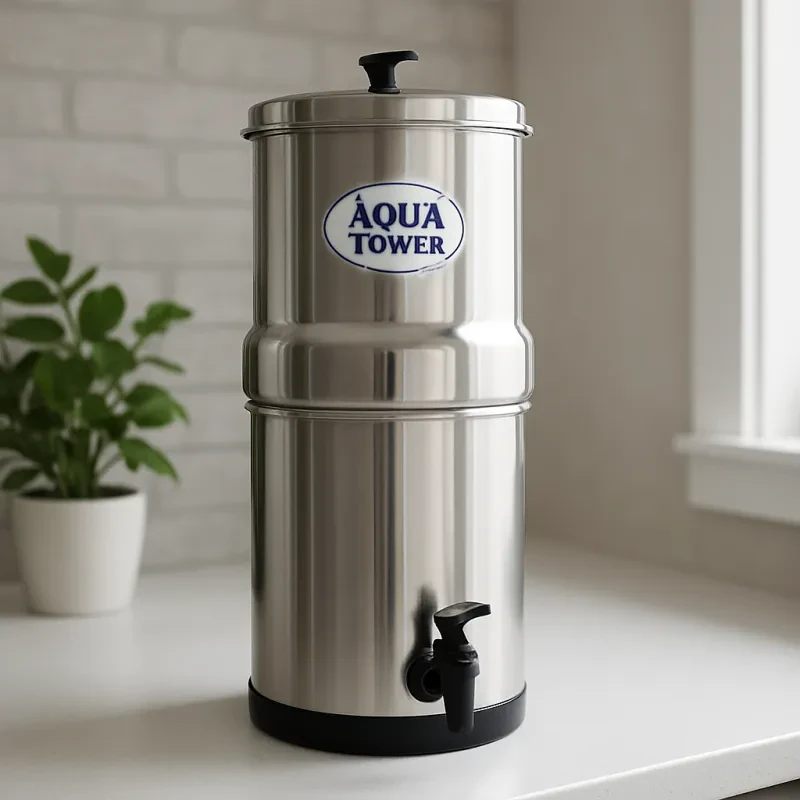
First and foremost, assess your immediate needs. This includes food, water, and shelter. Start by stockpiling non-perishable food items and ensuring you have enough safe drinking water. Consider investing in a water filtration system or water purification tablets. These basic provisions can be life-saving during emergencies and provide peace of mind as you navigate through your preparations.
Next, it is essential to gather essential supplies. Beyond food and water, think about medical kits, tools, and other items that can assist you in a crisis. Create a checklist to keep track of what you have and what you still need. Keeping a well-organized inventory can reduce anxiety and ensure you’re always prepared for unexpected situations.
Finally, consider building a community network with like-minded individuals. Share ideas, resources, and strategies for facing uncertainties together. In times of crisis, having a support system can provide not only practical assistance but also emotional reassurance. By building connections, you enhance your resilience and preparedness for whatever challenges may arise.
Community Support in Crisis Planning
As the nation heads towards another election, community support is becoming more critical than ever. The phrase "Election fears ignite 'preppers' already planning for the catastrophic unknown" captures the essence of the anxious mindset many people currently share. This anxiety can drive communities to come together, forming networks of support that are essential during uncertain times.
Having a reliable group can make a world of difference in crisis planning. Local organizations, neighborhood watch groups, and even online community forums are springing up as more people feel the need to prepare for potential upheaval. These support systems can provide valuable resources, from sharing vital information to pooling supplies and skills. When everyone pitches in, the burden of preparation can lighten and foster a sense of togetherness.
Community-oriented events focused on preparedness are also gaining traction. Workshops and training sessions promote learning about emergency plans, first aid, and resource management. Such initiatives can not only empower individuals but also instill a sense of confidence within the community. By creating a collaborative environment, residents can transform their apprehension into proactive measures, all while establishing strong connections with one another.
Social media plays a crucial role in strengthening these community ties. Platforms are buzzing with conversations about election fears, but they often morph into discussions on how to prepare for the unexpected. Through online meet-ups and discussions, communities are forging bonds that can lead to collective action, ensuring that no one feels isolated during tense times. In the face of uncertainty, building these networks may be one of the best defenses against fear-driven panic.