The Best Places to Live in a Doomsday Scenario: Finding Safety and Sustainability
In the face of a global catastrophe or doomsday scenario, choosing the right place to live becomes crucial for survival. Whether it's a natural disaster, pandemic, nuclear fallout, or social collapse, the location you choose could be the difference between thriving and struggling to survive. The ideal location for a doomsday situation would provide a mix of isolation, sustainability, security, and access to essential resources like food, water, and shelter. Here, we’ll explore some of the best places to live in a doomsday scenario based on geography, infrastructure, and long-term sustainability.
1. Rural Areas and Small Communities
Living in rural areas or smaller, close-knit communities can provide an advantage in doomsday scenarios. These areas are usually less populated, reducing the likelihood of looting, violence, or the spread of diseases that could come from denser urban populations. Small communities often have more access to natural resources like forests, rivers, and farmland. Rural living also promotes self-sufficiency, as you can often grow your own food, raise livestock, and collect fresh water.
Pros:
- Lower population density decreases competition for resources.
- Increased ability for self-sustained agriculture.
- Stronger community bonds can promote shared survival strategies.
Cons:
- May lack advanced medical services and infrastructure.
- Could be isolated from larger networks of aid or communication.
2. Mountainous Regions
Mountains provide a natural defense against various threats in a doomsday scenario. They are typically harder to access, making them a prime spot for those looking to avoid conflict or large groups of displaced people. Additionally, mountainous areas often have access to clean water from streams or rivers and ample wildlife for hunting. These regions also have the advantage of varied climates, which could be beneficial in scenarios where climate change is a concern.
Pros:
- Hard-to-reach, offering natural protection from external threats.
- Abundant in natural resources, including fresh water and wild game.
- Cooler climates help with food preservation and sustainability.
Cons:
- Limited agricultural potential compared to flatlands.
- Harsh winter conditions may require advanced preparation and supplies.
3. Islands
Islands, especially those in more remote locations, offer one of the highest levels of security in a doomsday situation. The isolation provides protection from human conflicts, while the surrounding water can be a source of fish and can act as a barrier to spreading diseases. Remote islands also foster the potential for self-sufficiency through fishing, agriculture, and solar energy. Tropical islands, in particular, offer year-round growing seasons for food and access to diverse ecosystems for resources.
Pros:
- High level of isolation and natural defense against threats.
- Access to marine food resources.
- Potential for renewable energy sources like solar and wind power.
Cons:
- Limited space for growing food and raising livestock.
- Vulnerable to extreme weather events like hurricanes or tsunamis.
- Potential isolation from external resources if global trade collapses.
4. Underground Bunkers
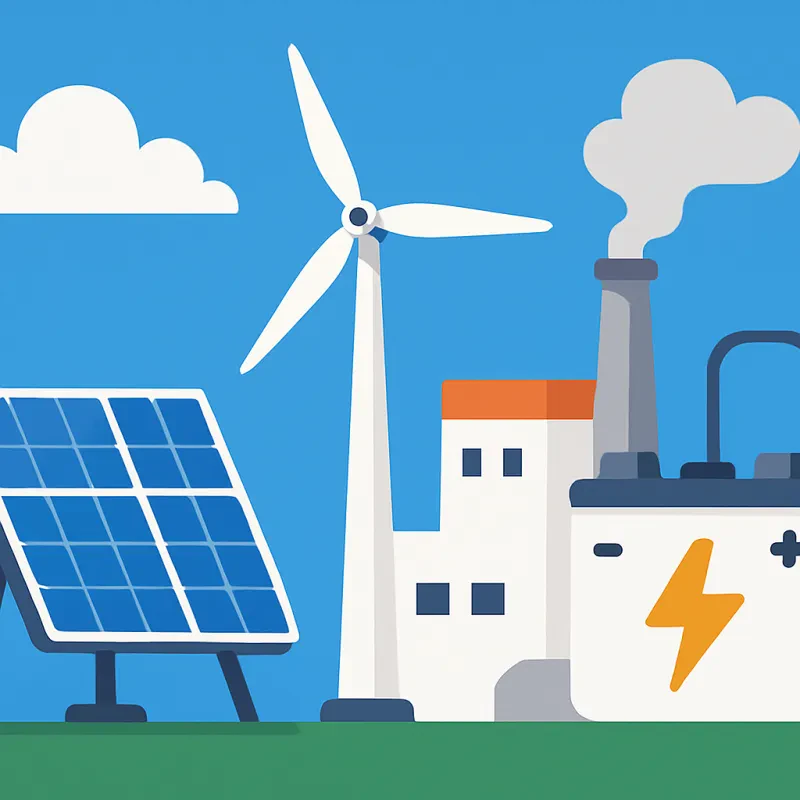
For those with the means and foresight to build one, an underground bunker can provide ultimate protection in extreme doomsday scenarios, such as nuclear fallout or global warfare. Bunkers can be equipped with air filtration systems, long-term food storage, and even sustainable energy solutions like solar or wind power connected to above-ground systems. Many preppers opt for reinforced underground bunkers in secluded areas, which can be stocked with essentials and allow for extended periods of isolation.
Pros:
- Maximum protection from outside threats, including radiation, warfare, and extreme weather.
- Can be fully self-contained with water purification, food supplies, and energy systems.
- Reduces vulnerability to violence and looting.
Cons:
- Expensive to build and maintain.
- Mental health concerns from prolonged isolation and lack of sunlight.
- Limited space for expanding or growing food beyond what’s stored.
5. Temperate Forests
Temperate forest regions offer a balance between agriculture, hunting, and protection from the elements. These areas provide access to fertile soil for farming, wild plants for foraging, and plenty of game for hunting. The trees themselves offer natural shelter and materials for building. These regions are also less prone to extreme weather events like hurricanes, making them a stable choice for long-term survival.
Pros:
- Abundant natural resources, including wood, water, and food.
- Temperate climate allows for a variety of crops and animal husbandry.
- Offers concealment from potential threats due to dense forests.
Cons:
- Wildlife competition and potential predators in forested areas.
- High humidity can lead to food spoilage or mold growth.
- Could become a target for others looking to exploit natural resources.
6. Deserted Coastal Regions
Coastal regions, especially in less populated areas, can provide access to marine resources, fresh water (via desalination if needed), and more temperate weather. Deserted coastal regions are less likely to be overrun by desperate people looking for safety. Living near the ocean also offers the opportunity to catch fish, gather salt, and harvest other sea resources like seaweed. Desalination plants or DIY solar stills can provide fresh drinking water in areas where other sources are limited.
Pros:
- Access to marine food sources and potential for desalinated water.
- Usually milder climates compared to inland areas.
- Natural barriers (oceans) can limit human movement and threats.
Cons:
- Vulnerability to sea-level rise and coastal storms.
- Limited farming opportunities in some coastal areas with poor soil.
- May require more advanced water purification methods.
7. Northern Latitude Regions
Regions in the northern latitudes, such as parts of Canada, Scandinavia, and Alaska, may offer some of the best long-term protection in a global crisis. These areas are far removed from densely populated regions, making them less likely to experience the chaos that might unfold in more urbanized or central locations. Additionally, cold climates can act as a deterrent to disease and can preserve food for extended periods. Northern regions also have ample fresh water sources from glaciers and rivers, as well as abundant forests for building and fuel.
Pros:
- Low population density reduces human threats.
- Abundant natural resources like water, timber, and wildlife.
- Cold climate aids in food preservation and minimizes disease spread.
Cons:
- Harsh winters require significant preparation and resources.
- Short growing seasons limit agricultural output.
- Remote locations may be difficult to access and resupply.
Conclusion: Choosing Your Doomsday Haven
The best place to live in a doomsday scenario depends on a combination of factors, including the type of disaster, your resources, and your personal skills in survival and self-sufficiency. Each location offers its own benefits and drawbacks, and no single place is perfect for every situation. Whether you choose a remote island, a fortified mountain retreat, or a well-stocked bunker, preparation is key. The more time you invest in planning and securing resources now, the better your chances of thriving when disaster strikes.